Specialist restoration, maintenance and installation for museums, art galleries, and cultural institutions. Conservation-aware working practice, heritage timber expertise, and an ongoing relationship with the Tower of London.
In museums and galleries, the floor is rarely incidental. In many of London's most significant cultural institutions, the floors themselves are historic — original parquet laid when the building was constructed, hardwood that has been walked on by generations of visitors, and timber that in some cases is as old and as significant as anything displayed above it.
Restoring and maintaining floors in these environments requires more than technical competence. It requires an understanding of conservation principles, sensitivity to the materials and environments being worked in, and a working practice that protects the collections, the building fabric, and the visiting public throughout.
Quicksand Flooring has direct experience working in some of London's most significant cultural buildings. We have maintained the floors of the Tower of London for over three years, including the floors inside the Tower itself and the prisoners' quarters in the north tower dating back over five hundred years.
 SMAS Worksafe Accredited
 Bona Certified Contractor
 NWFA Member
 Constructionline Accredited
Hardwood floors in museum and gallery buildings that have been worn by visitor footfall, dulled by years of cleaning or damaged by the passage of display cases are sanded back to clean timber and refinished to a specification appropriate to the environment. Finish selection takes into account conservation requirements and the aesthetic context of the building.
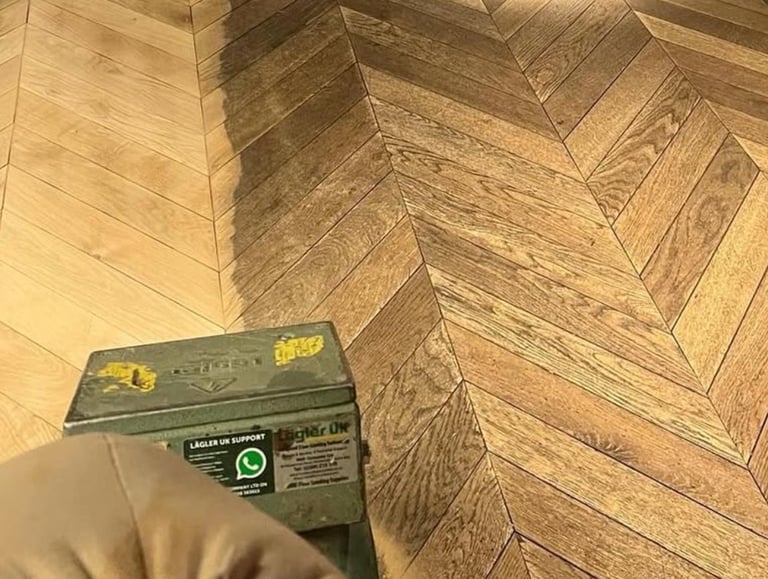
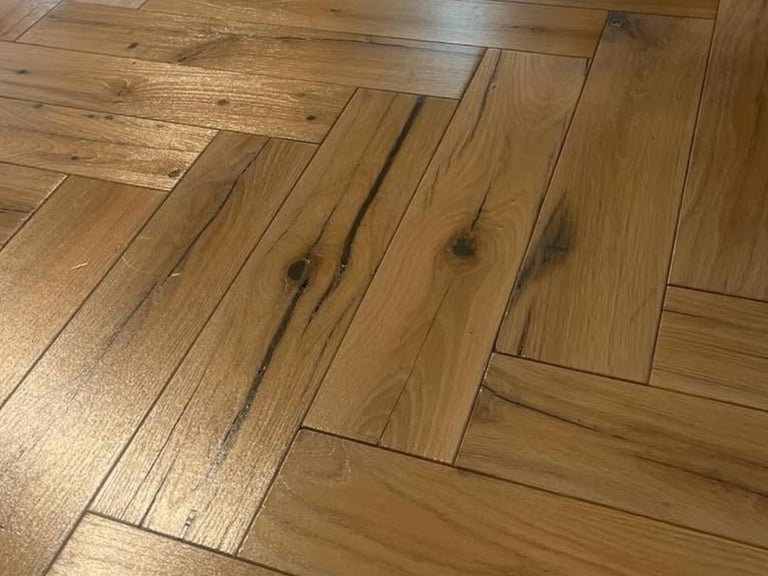
Many of London's museums and galleries occupy Victorian or Edwardian buildings with original herringbone or block parquet. These floors are frequently among the most architecturally significant features of the building. We restore them with the specialist knowledge and care they require.
The majority of significant museum and gallery buildings in London are listed. Working in these environments requires appropriate product selection, working methods that do not damage adjacent historic fabric, and documentation to the standard required by listed building consent and conservation records.
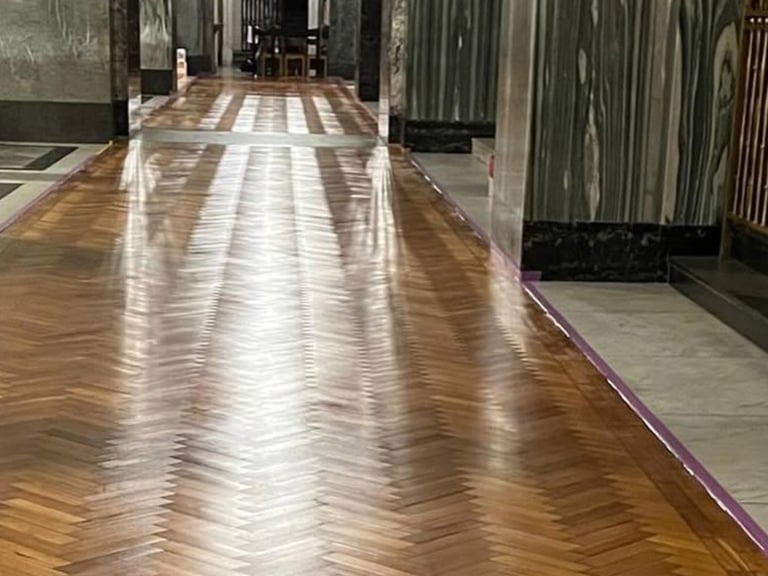
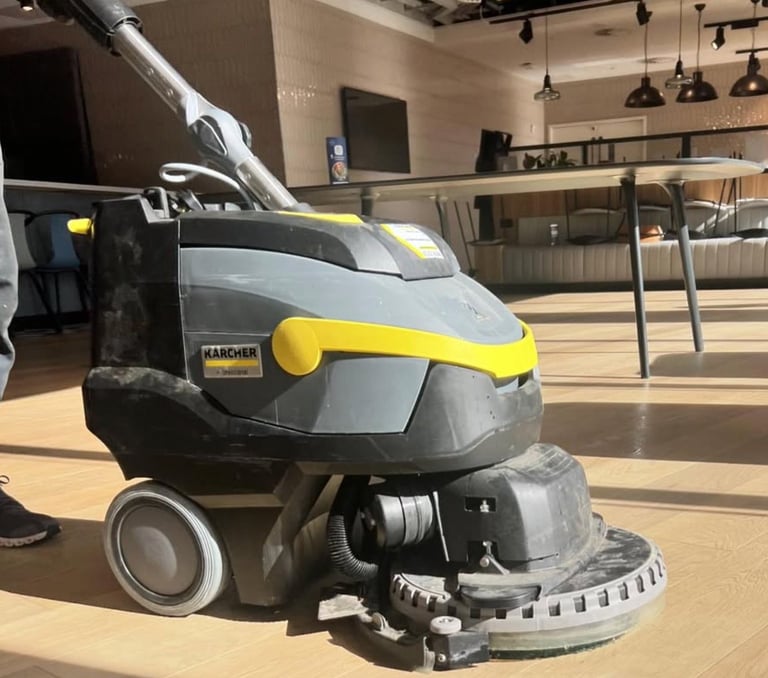
Scheduled maintenance visits that keep museum and gallery floors in consistently good condition across a busy annual programme of exhibitions, events, and public opening. We plan maintenance windows around the institution's calendar, work entirely out of hours.
For museums and galleries with vinyl, linoleum or rubber flooring in back-of-house areas, education spaces, cafes and shop floors, the Bona Resilient system restores worn resilient flooring to near-original condition without replacement.
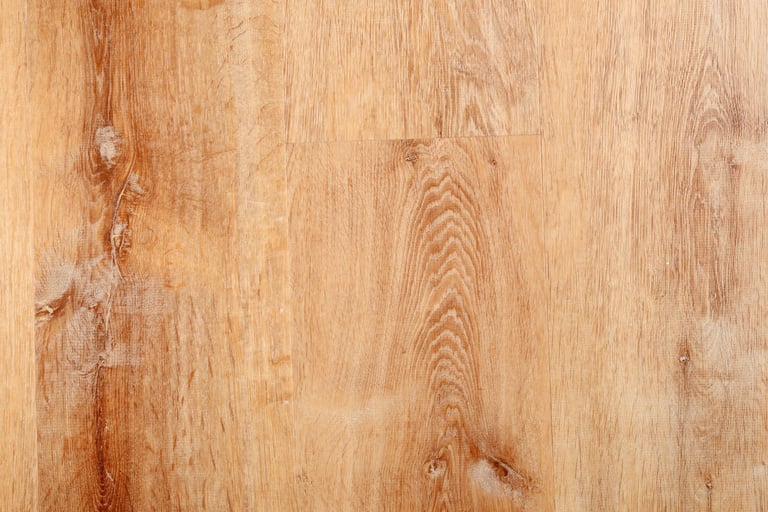
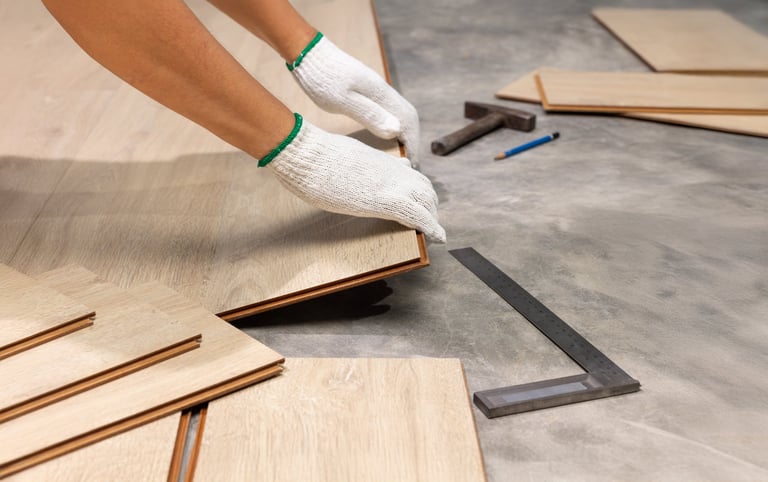
For new gallery spaces, museum extensions, or cultural buildings being converted or refurbished, we supply and install hardwood flooring to the specification required by the project. Full coordination with principal contractor, architect and curatorial team.
In a museum or gallery environment, dust is a conservation risk. Our extraction equipment captures dust at source, and for projects near open collections we implement additional containment measures agreed with the curatorial team.
Climate-controlled gallery environments are sensitive to off-gassing. We use waterborne, low-VOC products as standard throughout all museum and gallery projects. Full technical data sheets provided for conservation team review.
All restoration and maintenance work takes place outside public opening hours. We work evenings, nights and during institutional closure periods, planning access around the building's operational schedule and event programme.
We provide full written records of all work carried out, products used, and finishes applied. This documentation forms part of the building's conservation record and is essential for listed building compliance.
We engage with the specific requirements of museum and gallery professionals. We understand that in cultural institutions, the building and its contents are managed with a level of care beyond standard commercial property management.
Where work takes place near collections, we agree protection protocols with the curatorial team before any work begins. Display cases are protected, open collections covered or relocated where necessary.
The following represent the most common project types we encounter in museums and galleries:
Our longest-standing cultural sector relationship. We have maintained the floors of the Tower of London for over three years, including the floors inside the Tower itself and the prisoners' quarters in the north tower dating back over five hundred years.
A major London museum or gallery with original hardwood or parquet in its principal public spaces, restored during an institutional closure or phased across out-of-hours sessions. Dust containment and conservation-appropriate products provided throughout.
Original herringbone or block parquet in a listed museum building, restored with species-matched reclaimed timber for missing blocks, appropriate finish specification, and documentation to listed building consent standards.
High-footfall retail and hospitality spaces within a cultural institution, restored using appropriate sanding and refinishing techniques. Delivered during evening or early morning sessions around the institution's trading hours.
Worn linoleum or vinyl in museum education rooms, storage areas and back-of-house spaces restored using the Bona Resilient system. No dust, no replacement, and the space back in use the following morning.
Scheduled maintenance visits programmed around the annual exhibition calendar and closure periods. Rescreen and recoat, or deep clean and buff, carried out out of hours to maintain appearance and extend restoration intervals.
Protecting collections is the first conversation we have when surveying a museum or gallery project. We agree a detailed containment and protection strategy with the curatorial and conservation team before any work begins, including dust containment measures, identification and protection of display cases and open collections, and staged access protocols.
We take the environmental requirements of climate-controlled spaces seriously. Our waterborne, low-VOC products minimise off-gassing, and we discuss the specific requirements of the space with the conservation team before specifying any product.
Yes. The majority of significant museum and gallery buildings in London are listed. We use products and methods appropriate to historic timber, work within the constraints of listed building consent, and produce documentation to the standard required for conservation records.
We can achieve a very close match in most cases, and we carry out on-site sampling before committing to any application to assess how well the new finish integrates with the existing floor.
We work entirely outside public opening hours and plan access in detail with the institution's facilities and operations team. For buildings open seven days a week with limited closure periods, we identify the most appropriate working windows and phase the project accordingly.
Yes. We provide full written records of all work carried out, including the products used, their technical specifications and VOC ratings, the working methods employed, and the finish applied. This documentation is produced to a standard appropriate for listed building records and conservation assessments.
Whether you are managing a floor in a significant London cultural institution that needs specialist attention, planning a restoration around an exhibition programme, or looking to establish a maintenance relationship, we would like to discuss it. Free site surveys across London and the Southeast.