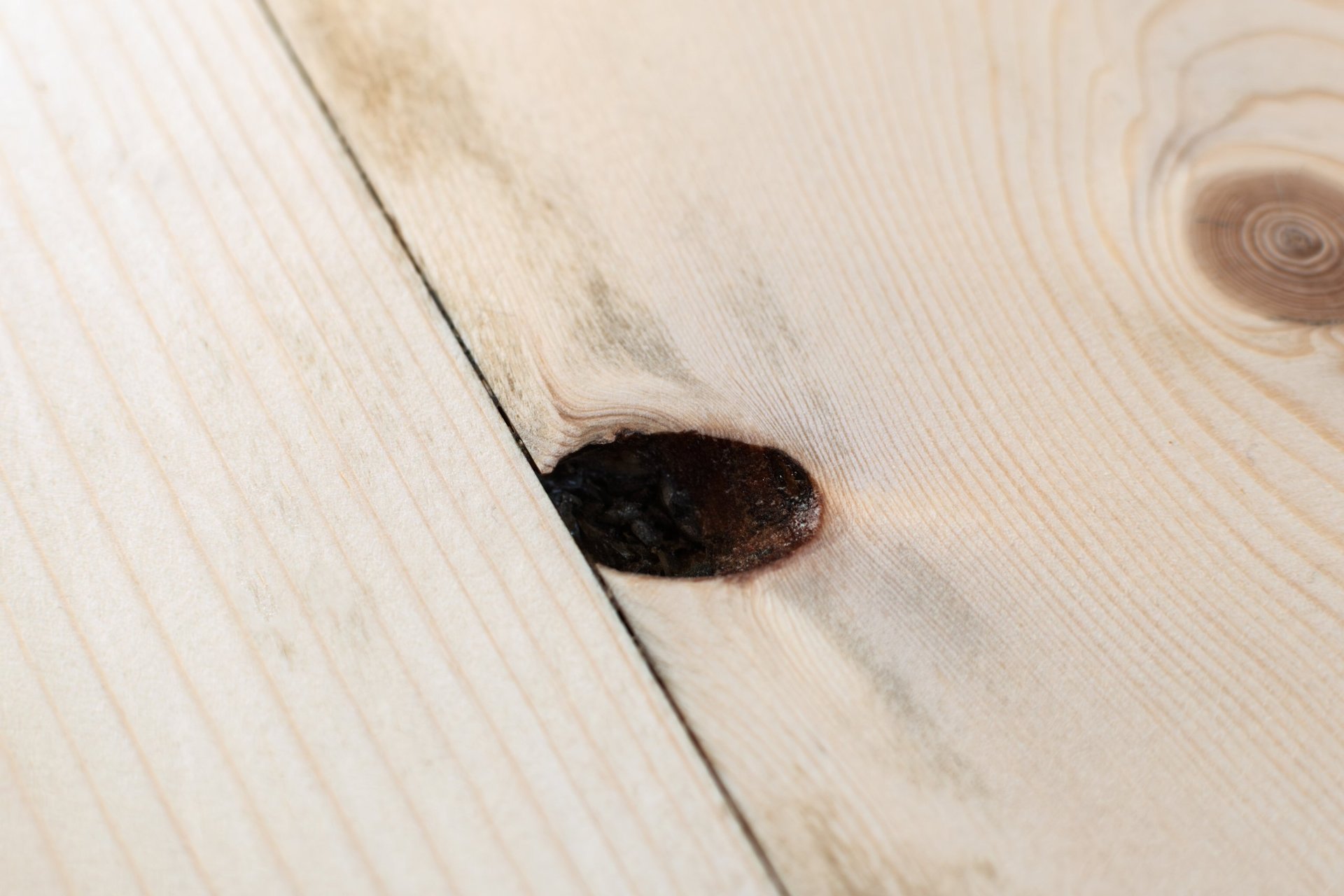
Professional gap filling for commercial and residential timber floors, using dust-and-resin and traditional sliver techniques to achieve level, seamless results that last.
Wood is a living material. As temperatures change and buildings move, floorboards expand and contract with shifts in humidity and heat. Over time, particularly in older buildings or anywhere with underfloor heating or aggressive climate control, this movement opens gaps between boards.
In a commercial building, those gaps are more than an aesthetic issue. They collect dust, debris and bacteria that are difficult to remove properly. They cause draughts in older buildings. They catch heels, create trip hazards, and fail cleaning inspections.
Left unaddressed, continued movement can cause boards to warp, edges to lift and the floor to buckle entirely.
The good news: Gap filling, done correctly, resolves all of this. And, when carried out alongside or before sanding, the result is a floor that looks continuous, feels solid underfoot, and is significantly easier to maintain.
 SMAS Worksafe Accredited
 Bona Certified Contractor
 NWFA Member
 Constructionline Accredited
Not all gaps are the same, and not all filling methods work equally well in every situation. Quicksand uses two established professional techniques, selected based on the floor type, gap width, board species and the finish to be applied.
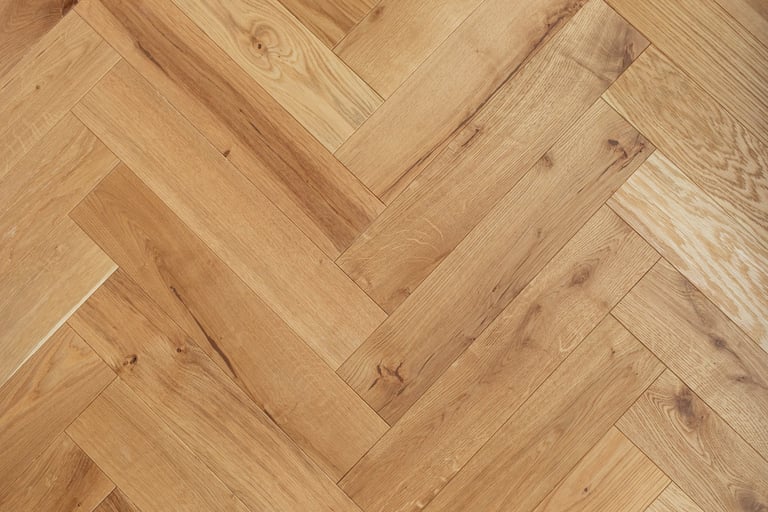
The traditional and most widely used method for filling fine to moderate gaps across a large floor area. After the initial sanding passes, we collect the clean sawdust produced by the floor itself and mix it with a water-based, non-toxic resin to create a paste.
Because the filler is made from the floor's own dust, the colour match is exact; there are no visible patches or tonal inconsistencies. Once dry, the floor is sanded flat and the result is a smooth, continuous surface ready for finishing.
Ideal for floors with consistent, fine gapping across the board — common in period office buildings, school halls and older civic buildings.
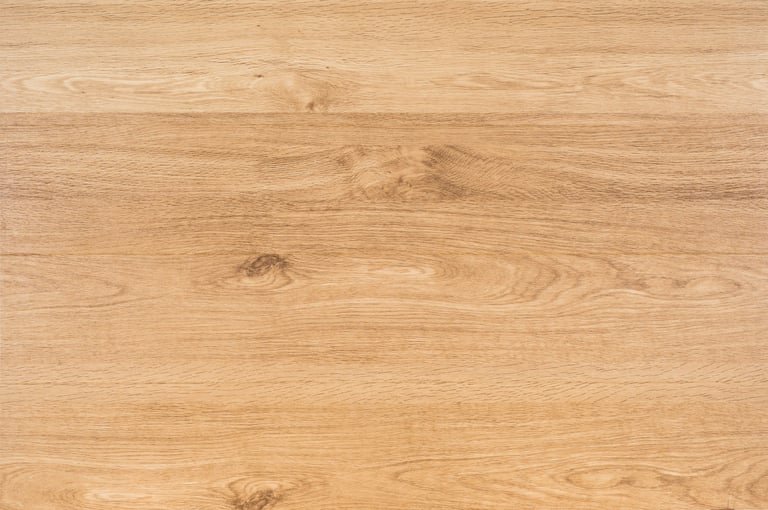
For wider gaps, where dust and resin alone won't hold, we use sliver filling. Slivers are thin wedges cut from strips of reclaimed floorboard, shaped to fit individual gaps precisely and fixed in place to become a permanent part of the floor structure.
We use reclaimed, high quality timber matched to the species and colour of the existing floor. The result blends into the floor naturally — not a repair that's visible, but a floor that simply looks whole.
Unlike generic proprietary fillers, slivers don't shrink, don't fall out, don't change colour over time, and don't degrade the quality of the finish applied over them. They accept oil, wax and lacquer finishes in exactly the same way as the surrounding boards.
Particularly suited to floors with larger, irregular gaps and older boards that have moved significantly over decades.
Facilities managers and property owners often defer gap filling, treating it as a cosmetic concern. In practice, it's a practical one — and addressing it as part of a wider floor restoration programme delivers measurable benefits.
Filled floors don't trap dirt, hair, or debris in gaps. For schools, healthcare premises, and food environments, this matters.
In older buildings with suspended timber floors, gap filling contributes to draught reduction and energy efficiency.
Gaps allow boards to move freely and unevenly. Filling stabilises the surface and protects the finish applied over it.
Any floor being sanded and refinished looks significantly better filled than unfilled.
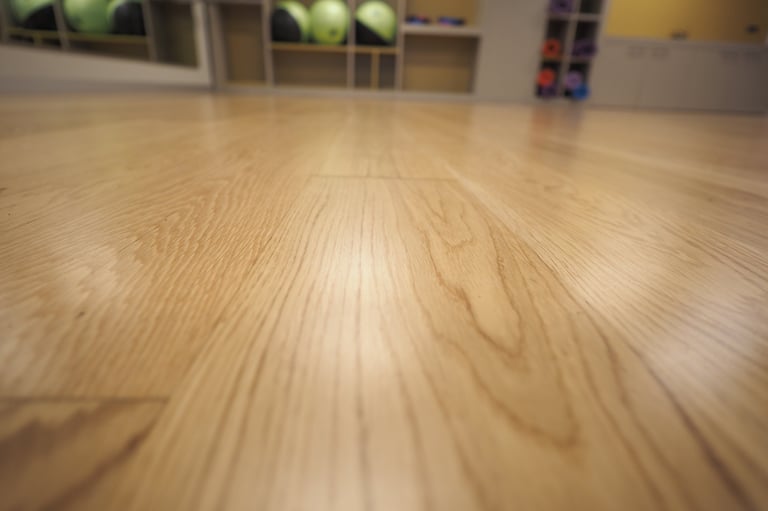
Wood floor filling is relevant wherever original or aged timber floors are being restored:
We assess every floor individually. Some gaps should be filled; others are better managed through finish selection. We'll give you an honest recommendation either way.
View All SectorsWhether you're restoring a period office floor, preparing a school hall for refinishing, or dealing with gaps that have become a practical problem, we'd like to take a look. We offer free site surveys and written quotations across London and the Southeast.