Wood can look wonderful in a hotel spa, and in the right areas it works well too. The two things to get right are moisture and slip safety.
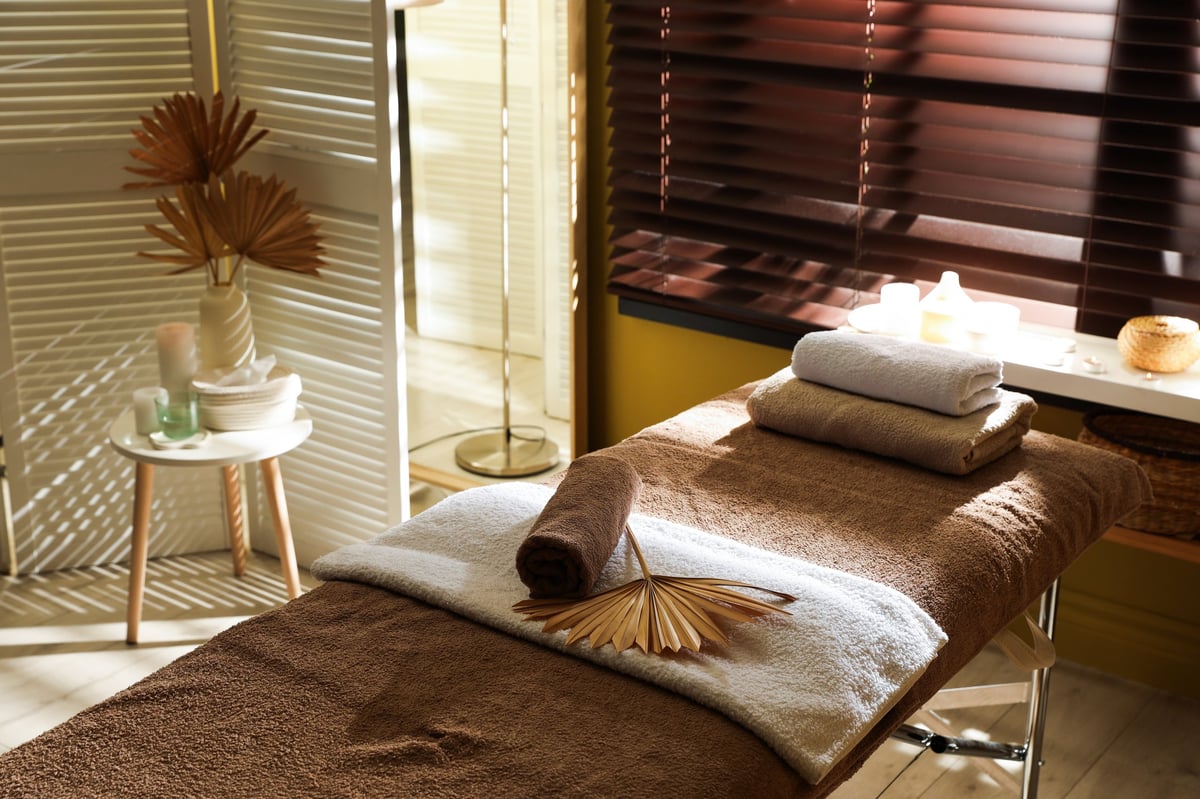
Wood floors can look wonderful in a hotel spa, and in the right areas they work well too. The warmth and natural feel of timber suit a wellness setting far better than cold, hard tiling, so wood is a popular choice for relaxation lounges, treatment rooms, studios and the quieter corridors of a spa. The two things to get right are moisture and slip safety, and with the right finish, the right board and sensible maintenance, both are very manageable. Wood is not the answer for truly wet zones, but for the drier parts of a spa it is a beautiful and practical option, which is why it features in a lot of the hotel and hospitality floor restoration we carry out.
The key is to match the floor to the zone. Wood is well suited to the dry and low-splash areas of a spa: relaxation and waiting lounges, treatment rooms, yoga and fitness studios, reception areas and connecting corridors. In these spaces it brings exactly the calm, natural atmosphere a spa is trying to create.
Relaxation and waiting lounges, treatment rooms, yoga and fitness studios, reception areas and connecting corridors.
Truly wet zones such as wet rooms, steam rooms, saunas and the areas right around a pool, where a non-slip tile or specialist resilient floor is the right call.
Getting that split right from the start is what makes a wood floor in a spa a success rather than a problem.
Even in the drier zones, a spa is a more humid place than a normal hotel room, and there will be splashes and damp feet. Timber responds to moisture by expanding and contracting, so the aim is to keep that in check. A few things do the work.
A high-quality waterborne commercial lacquer seals the surface and keeps splashes from soaking into the wood, provided they are wiped up rather than left to sit.
Engineered boards are more stable than solid timber when humidity moves up and down, so they are often the better choice for a spa environment.
Good ventilation and humidity control in the room take the pressure off the floor.
Matting at the thresholds of wetter areas stops water being tracked onto the wood in the first place.
The other consideration is slip resistance, because wet feet on a smooth floor are a hazard anywhere, and a spa has plenty of both. The answer is in the finish. We can specify a finish with the right level of slip resistance, so the floor stays safe underfoot without losing the look you want. A very glossy surface tends to be the most slippery and the least forgiving, so a matte or satin finish is usually the better choice in a spa.
Slip resistance can be measured rather than guessed at
It is worth understanding how it is specified. We go into it properly in our guide to how slip resistance is measured and specified in commercial settings.
If you already have a tired wood floor in a spa, moisture and heavy use have usually taken their toll on the finish long before the timber itself is in trouble. In most cases, the floor can be restored rather than replaced. We sand it back, deal with any damaged boards and reseal it with a finish specified for the moisture and slip demands of the space. That brings the floor back to life and improves how it copes with the spa environment going forward.
Day-to-day care is what keeps a spa floor performing. The golden rule is to deal with water quickly: wipe up splashes and puddles before they have time to sit on the wood, and keep the thresholds to wetter areas matted. Cleaning should be done with a barely damp mop and a pH-neutral wood cleaner rather than lots of water, which is all part of keeping moisture off the boards. Keep the room's humidity reasonably stable, and the floor will reward you with years of good service.
Whether you are planning a new wellness space or reviving a tired spa floor, we can advise on where wood will work, the right board and the right finish for moisture and slip, and we can restore an existing floor that has seen better days. We offer free, no-obligation surveys across London and the Southeast. Call 0800 917 7770 or request a quote.