The best way to protect your hotel floors through the festive events season is to control what touches them: proper protection under staging, a barrier beneath hired dance floors, felt glides on furniture and a fast routine for spills and debris.
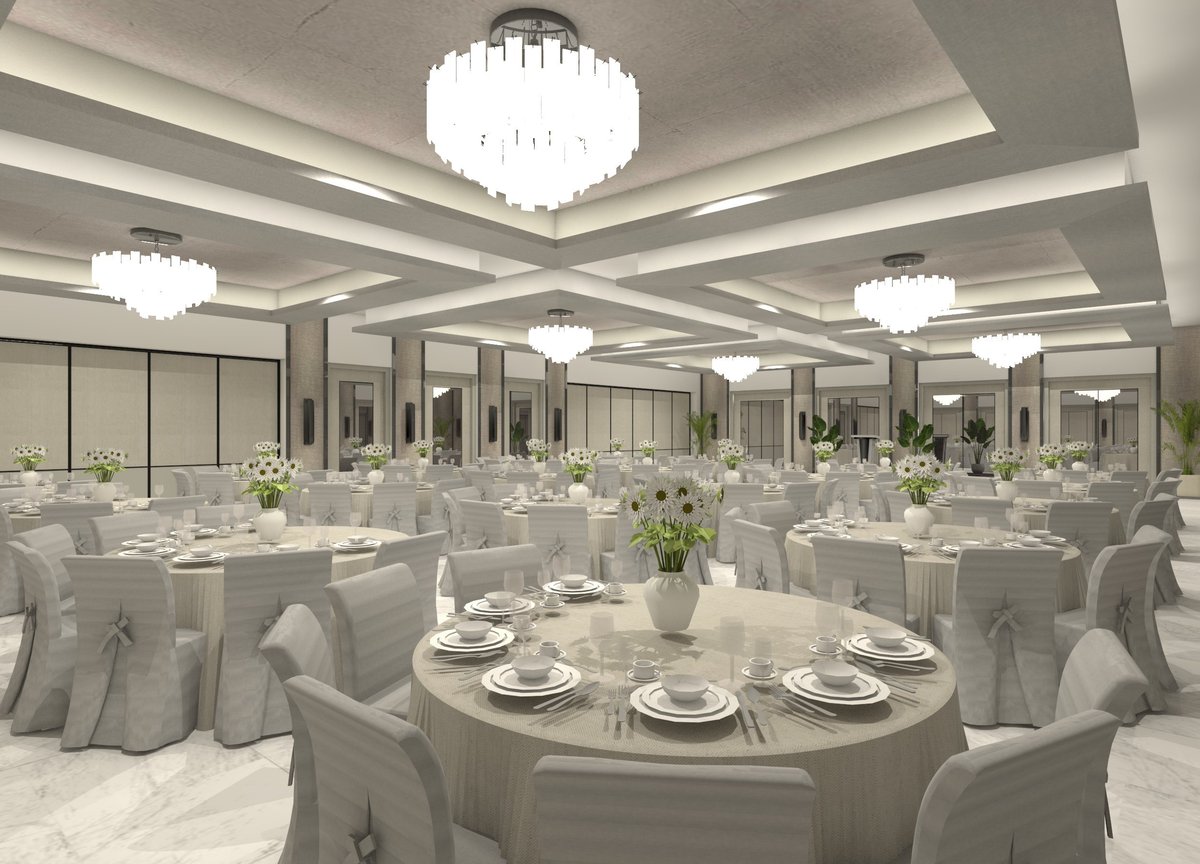
Most party season damage comes from a handful of predictable sources, so a little planning before December prevents weeks of scratches and dull patches. Get it right and your floors will still look sharp in January, which matters when hotel and hospitality floor restoration is something you'd rather schedule on your terms than out of necessity.
In short: ask production companies for pads and spreader boards, sweep before dance floor panels go down, fit felt or nylon glides to every chair, vacuum glitter rather than sweeping it, and mop spills the moment they happen.
From late November through New Year, function rooms, ballrooms and bars can host back-to-back events with only a few hours in between. Every turnaround means tables rolled in and out and chairs stacked and restacked. Staging is built and stripped while suppliers wheel equipment across your floor at speed.
Glitter, confetti, spilled drinks and wet winter footwear
Even a well-maintained finish takes a battering. If you've already prepared your floors for the season, as covered in our guide to ballroom and function room floors ahead of the events season, the next step is protecting that investment while the events are running.
Rapid turnarounds between events, often only a few hours apart.
Suppliers wheeling heavy equipment across the floor at speed.
Spills, debris and wet footwear tracked in from the street.
Temporary staging, lighting rigs and AV towers concentrate a lot of weight into small contact points. Bare metal feet can dent timber and scratch through the finish, especially when staging is shuffled into position rather than lifted.
A few simple rules make a big difference:
Ask production companies to use rubber or felt pads under every leg, and spreader boards under heavier loads
Lay breathable protection boards along load-in routes before any equipment arrives
Insist that flight cases and trolleys have soft, clean wheels
Avoid plastic sheeting left down for long periods, which can trap moisture against the floor
It's worth writing these requirements into your supplier terms so every production company arrives knowing what's expected.
Interlocking dance floor panels are a popular choice for festive parties, and they can protect the floor beneath them if they're laid properly. The risk is grit. Any dust or debris trapped under the panels gets ground into the finish as people dance, leaving a patchwork of scratches once the floor is lifted.
Make sure the area is swept and cleaned immediately before the panels go down, and ask the hire company to lay a soft protective layer underneath.
Panel edges should sit flat. A lifting edge is both a trip hazard and a source of scuffs.
Round tables and banqueting chairs cause more cumulative wear than almost anything else during the season. Chair legs without glides scratch the surface every time someone sits down, and dragged tables leave long arcs that are hard to miss under event lighting.
Felt or nylon glides
Fit them to every chair and replace them as soon as they wear through or pick up grit.
Table trolleys
Use trolleys rather than rolling tables on their edges.
Brief the team
Events and agency staff should lift rather than drag.
It sounds basic, but on a busy night with a tight turnaround, lifting rather than dragging is the first thing to slip.
Glitter is surprisingly abrasive
Walked into the floor, it acts like fine sandpaper. Remove it with a vacuum fitted with a soft floor brush rather than a stiff broom, and never push it across the floor with a dry mop.
Spilled drinks are the other big issue. Sugary drinks leave sticky residues that attract dirt, and standing liquid can damage the finish if it's left overnight. Mop spills up promptly and clean with a product that's compatible with your finish. Our guide on cleaning and maintaining a hotel wood floor between professional visits covers the right products and what to avoid.
Spills also create a safety risk, particularly on dance floors and near bars. A wet patch on a lacquered floor is easy to miss in low lighting, so make sure staff know to deal with them straight away.
For more on balancing finish and grip, see our article on slip resistance and safety in commercial flooring.
Tape. Gaffer tape and strong adhesive tapes can pull the finish away when they're lifted. If cables need securing, use low-tack tape designed for finished floors or cable covers instead.
Candle wax. Leave it to harden and then ease it away gently rather than scraping.
Florists and decorators. Ask them to keep water features and heavy planters on trays or mats.
Even with good protection, a hard festive season will leave some wear. Walk the floors in early January and note any areas that have lost their sheen or picked up scratches.
In many cases a professional deep clean and recoat is enough to restore the finish without a full sand, and January's quieter trading period is the natural time to do it.
Walk the floors
Note any dull patches or scratches in early January.
Deep clean and recoat
Often enough to restore the finish without a full sand.
Use the quiet window
January's slower trading period is the natural time to book.
Whether you'd like advice before your first festive event or a plan to restore your floors once the season is over, we can help. We offer free, no-obligation surveys across London and the Southeast. Call us on 0800 917 7770 or email info@quicksandflooring.co.uk.