In London's competitive dining scene, from the historic pubs of Southwark to the high-concept bistros of Shoreditch, the "vibe" of a venue is often what dictates its success. You can have a world-class menu and impeccable service, but if the floor beneath your guests' feet feels sticky, looks grey or is visibly worn, it subtly undermines the entire experience. While a nightly mop is essential for basic hygiene, it doesn't actually protect the timber; in fact, over-mopping with the wrong chemicals can strip the finish and lead to expensive, long-term damage.
For hospitality managers, wood floor restoration is a balancing act between aesthetic perfection and the brutal reality of high-volume foot traffic.
Hospitality floors in the city face unique stressors. London rain brings in constant moisture, which is then mixed with pavement salt in the winter and sharp grit year-round. These particles act like microscopic sandpaper under customers' heels, creating tiny scratches that trap grease and dirt.
Standard janitorial mopping often just pushes this dirty water into those micro-scratches. This is why many owners ask us: "How often should restaurant floors be professionally cleaned?" While daily care is vital, a high-traffic London venue usually requires a deep commercial floor cleaning every 6 to 12 months.
This isn't just about appearance; a professional deep clean uses industrial-grade scrubbers that extract the grease and grit from the grain, followed by a "top-up" coat of lacquer to reseal the surface before the wood itself is damaged.
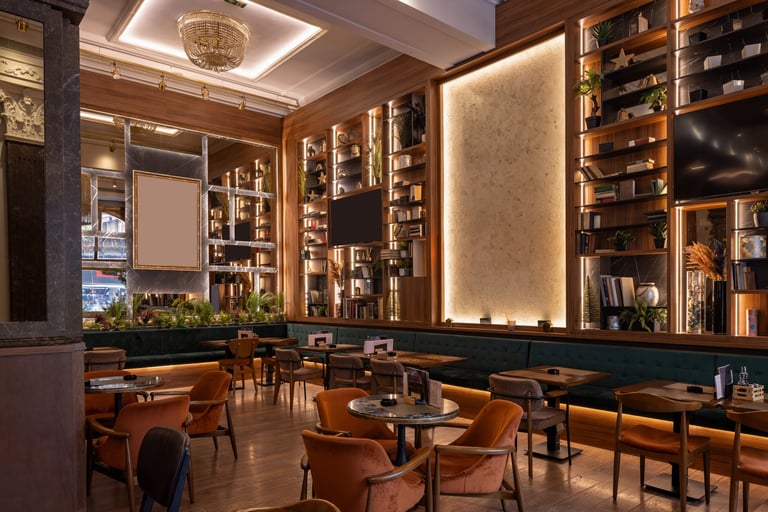
"London rain, pavement salt and sharp grit act like microscopic sandpaper under customers' heels — creating tiny scratches that trap grease and dirt. Standard mopping pushes dirty water deeper into these grooves."
We know that in the hospitality world, "closed" is the most expensive word in the dictionary. You cannot afford to lose a Friday night service for floor repairs. This is why the most critical part of our commercial floor-cleaning service is timing.
We specialise in "The Night Shift." Our teams are accustomed to arriving as the last guests leave, working through the night to sand, seal, or deep-clean your floors, and having the surface "walkable" by the time the breakfast shift arrives. By utilising fast-curing, commercial-grade lacquers, we ensure that your wood floor maintenance happens entirely behind the scenes, leaving your customers to wonder how the place looks so fresh every morning without ever seeing a machine.
We arrive as the last guests leave and have your floor walkable by the breakfast shift — zero downtime for your venue.
Commercial-grade finishes cure quickly, ensuring your floor restoration happens entirely behind the scenes.
One of the biggest mistakes we see is venues waiting until the wood is completely bare and grey before calling for help. At that point, you are looking at a full, deep sand-and-seal, which is more time-consuming and costly.
By staying on top of your wood floor maintenance, you can often opt for a "screen and recoat" instead. This process involves lightly abrading the top layer of old lacquer and applying a fresh, high-performance coat. It's faster, more affordable, and can double the lifespan of your floor before it ever needs a heavy sanding. It's a proactive strategy that keeps your first impressions sharp and your repair budget under control.
Waiting until the wood is bare and grey means a full deep sand-and-seal — far more time-consuming and costly. A proactive "screen and recoat" is faster, more affordable, and can double the lifespan of your floor before it ever needs heavy sanding.
Is your venue's floor starting to lose its "wow" factor? Contact Quicksand Flooring today to discuss a bespoke maintenance schedule that works around your opening hours. We'll help you keep your floors as impressive as your menu.
Or email us at info@quicksandflooring.co.uk