A free consultation is one of the most useful things a floor sanding company can offer, and one of the most underused. Most people treat it as a preliminary step before getting a quote, which it certainly is, but it's also considerably more than that. Done properly, a consultation gives you the information you need to make a confident decision, a realistic picture of what the work will involve, and a clear basis for comparing whatever other quotes you receive. If you're planning professional floor sanding or restoration work, arriving prepared will make the conversation significantly more productive for everyone involved.
Before getting into what you should bring and ask, it's worth knowing what a thorough consultant should cover as a matter of course. If a company sends someone who measures the floor, notes the wood type and leaves, you haven't had a consultation. You've had a site measure.
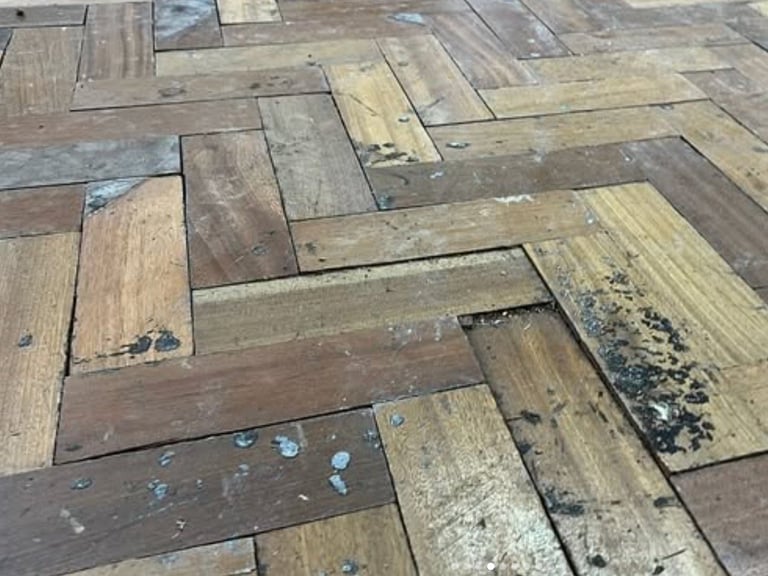
A proper consultation should begin with an honest assessment of the floor's current condition. That means looking at the depth of surface damage, whether scratches and scuffs are superficial or have penetrated into the wood, whether there are sections that have been stained, repaired or replaced at different points in the floor's history, and whether any boards are loose, squeaking or showing signs of movement. All of this affects what the restoration process will involve and what the finished result can realistically look like.
The consultant should then explain what they're recommending and why, in terms you don't need a flooring background to follow. That includes the sanding process itself, how many passes are needed, what grit progression they'll use, and how they'll handle edges and corners. It includes the finish options available for your specific floor and situation, with a clear explanation of what each one does and what it's best suited to. And it includes a realistic timeline for the work and how any disruption will be managed.
"If a company sends someone who measures the floor, notes the wood type and leaves — you haven't had a consultation. You've had a site measure."
Walking into a consultation with some basic preparation under your belt puts you in a much stronger position, both for getting useful information and for assessing whether the company is the right fit.
Are you restoring original character or refreshing a modern floor? Is durability or aesthetics the priority?
When was it last sanded? Has it been stained or repaired? Any information helps the assessment.
The consultant needs to see the full surface, including edges and corners — not just open areas.
Some of these will be answered by a thorough consultant, unprompted. Ask them anyway if not, because the answers matter.
Ask directly: is there anything that might limit what restoration can achieve?
Every sanding removes material — an experienced eye can estimate what's left.
Oil vs lacquer vs hardwax — what does each actually do for your specific situation?
What system do they use and what level of dust should you realistically expect?
Filling, staining, repairs — understand what's covered to avoid mid-project surprises.
What products, how long before furniture returns, what to avoid in the first weeks.
A consultation that doesn't result in a written, itemised quote within a reasonable timeframe hasn't fully served its purpose. The quote should break down the work clearly enough that you can compare it meaningfully with any others you receive, rather than just comparing the bottom line figures.
It should specify the work to be carried out, the products to be used, the number of coats of finish included, the timeline, and any conditions or exclusions. If anything in the quote is unclear, go back and ask. A company that finds follow-up questions inconvenient before the job has started will find post-completion issues even more inconvenient.
Ready to talk through what your floors need? Contact the Quicksand Flooring team to arrange your free consultation. We'll assess your floor properly, explain your options clearly, and provide a written quote that reflects exactly what the job entails.
Or email us at info@quicksandflooring.co.uk